Ways to Stop Pantry Pests from Spreading Out in Scarborough Homes
How pantry pests are and how they spread
Kitchen pests are insects that contaminate stored food products in kitchens, pantries, and storage rooms. The usual types include weevils, Indian meal moths, grain beetles, and other stored product pests. They are usually found in dry goods such as flour, rice, cereals, pasta, nuts, seeds, and pet food.
The problem is not just that they contaminate one package. Pantry pests can move rapidly from item to item, especially when food is left in open boxes or poorly sealed containers. Adult insects may lay eggs in food products, and once those hatch, the larvae crawl into nearby packages, shelves, and cracks in the pantry. That is how a small issue becomes a full problem.
In many homes, the source is a single contaminated package brought in from a store or warehouse-style bulk purchase. Once pests establish themselves, they can pass to other foods, expand into nearby cupboards, and keep returning unless the entire storage area is cleaned and monitored.
How to spot the first signs of an infestation
The faster you detect an issue, the simpler it is to contain it. Early infestation signs are often subtle. You may notice tiny insects around shelves, inside boxes, or near corners where food is stored. Some pest species are tiny enough to go unnoticed until they have already spread.
Watch for frass, which is a fine insect waste that may resemble black pepper, dust, or crumb-like debris. You may also see webbing, especially with Indian meal moths, because their larvae leave fine threads in food or along pantry edges. If you open a package and see moving larvae, that is a strong sign the food should be discarded.
Other clues include clumped flour, tiny holes in packaging, adult insects on ceilings near cupboards, or a musty smell in stored food. A careful inspection of pantry corners, shelf seams, and food containers can help you spot the problem before it spreads to more contaminated dry goods.
What types of food pantry pests target most often
Pantry pests are drawn to foods that are dehydrated, carbohydrate-rich, or protein-rich. They often go after flour, rice, cereal, baking mixes, pasta, grains, spices, nuts, seeds, and pet food. Even items that seem securely wrapped can be affected if they were compromised during shipping or stored for a while.
Families in Scarborough often buy in big amounts near major retail corridors yard pest control or warehouse-style stores, which is handy but can increase storage risk if large quantities sit in the pantry for months. Bulk purchases of dry goods are not a issue on their own, but they do require stronger food rotation and better storage habits.
Because pantry pests can enter through damaged boxes, loose seals, or already infested ingredients, it is important to check everything that came into the kitchen around the same time. If one product is affected, consider nearby dry goods may also need to be checked thoroughly.
How to inspect your pantry and kitchen carefully
A proper kitchen inspection starts with a full empty-out of the storage area. Take out all items from cupboards, shelves, drawers, and nearby pantry corners. This offers you a clear view of where pests may be hiding and helps you identify whether the problem is contained or widespread.
Inspect each package and container one by one. Check food packaging for holes, tears, loose seams, and signs of movement inside. Pay close attention to boxes, paper bags, and older dry goods that may have sat untouched for a while. If you use sealed containers, open them and inspect the rim and lid for eggs, webbing, or insects that may have entered when the lid was left open.
Do not miss the edges of shelves, the underside of cupboard liners, and the area behind the pantry. Baseboards can collect crumbs and hidden debris where pests eat and shelter. A careful review should also include wall gaps, utility openings, and the spaces where cabinet backs meet the wall. In older homes and multi-unit buildings, these small openings can help pests move from one storage area to another.
What to discard, salvage, and clean following an outbreak
After you detect an infestation, sort every item into three groups: throw out, inspect further, and fine to store. Any visible contaminated food should be removed right away. If a package contains live insects, larvae, webbing, or obvious frass, it is not worth keeping. It is better to discard one product than allow the infestation to continue.
A lot of homeowners ask whether they can keep certain items. In some cases, unopened and truly intact goods may be saved if they show no signs of damage. However, if you are unsure, store the item in a secure bag and inspect it closely before returning it to storage. This is especially important with flour, cereal, rice, and pet food.
After removing affected items, focus on vacuuming all shelving, corners, cracks, and shelf joints. Then do thorough shelf cleaning using warm soapy water or a suitable cleaner, then dry all surfaces completely. Good sanitation is crucial because crumbs, dust, and residue can allow pests alive or attract new ones. Clean underneath appliances, wipe baseboards, and sanitize the surrounding storage area to minimize the chance of recurrence.
How to preserve food so pests cannot return
Ongoing protection depends on strong keeping routines. Place all easily affected dry goods into airtight containers right when you take them home. Zip bags and thin cardboard boxes are not enough on their own. Hard containers provide a better barrier and make it easier to spot contamination early.
Glass jars are especially practical because they are easy to inspect, easy to clean, and less likely to be damaged by pests. Clear containers also help you spot when food levels are low or when something looks abnormal. Label each container and keep similar items together so you can manage them properly.
Use date rotation to make sure older food gets used first. This simple habit reduces the time dry goods remain untouched, which lowers the odds of infestation and contamination. Check expiration dates, store new purchases behind older products, and avoid overbuying items that may sit in the pantry for months. Good food rotation supports both kitchen hygiene and pest prevention.
If DIY approaches are not enough
At times the infestation is too extensive or too persistent for home cleanup alone. If pests keep reappearing after you have removed food, cleaned, and sanitized storage areas, it may be time to contact professional pest control. This is especially important if you are seeing insects in several cupboards, if the problem appears in different rooms, or if the source is hard to find.
Homeowners searching for pest control Scarborough often want a solution that is reliable without creating unnecessary exposure in the kitchen. A professional inspection can help identify hidden sources, such as overlooked dry goods, concealed larvae, or entry points in pantry walls and cabinet voids. In some cases, a company may recommend a non-chemical approach focused on source removal, sealing, and sanitation rather than broad treatment.
That kind of targeted help is particularly useful when you are facing a ongoing infestation. If pests keep returning after cleanup, there may be hidden food, a structural access point, or contamination inside a wall or cabinet void. A trained technician can help determine whether the issue is isolated or part of a wider infestation.
In what way regional Scarborough circumstances can cause pantry insects more severe
Scarborough homes vary widely, and that influences how pantry pests travel and survive. In condos, townhomes, and detached houses, shared walls and common storage areas can enable pests to move between units or from one storage area to another. In multi-unit buildings, pantry pests may travel through utility spaces, openings around plumbing, or shared cabinetry in adjacent kitchens.
During a humid summer in the Greater Toronto Area, moisture can raise pantry pest problems more likely in kitchens and cupboards. Humidity does not create pests on its own, but it can support conditions that help eggs hatch, food degrade faster, and insects survive longer. That is why dry storage areas should stay cool, clean, and well-sealed.
Older homes and multi-unit buildings in parts of Scarborough may also have small cracks and gaps around pipes, trim, baseboards, and cabinet edges. These openings can act as travel routes between food storage areas. Even if you keep your pantry clean, nearby units or shared storage spaces can reintroduce pests unless access points are addressed.
How to prevent pantry pests in the long term
Long-term prevention is less about one-time cleanup and more about building a system that helps you monitor and eliminate problems early. Start with a regular routine inspection of shelves, dry goods, and package seams. A quick monthly check can help you detect issues before they spread into a full infestation.
Keep up with food rotation so older products are used first and nothing sits forgotten for too long. The less time dry goods remain in storage, the less opportunity pests have to develop. Make sure all items are stored in sealed or airtight containers, and replace damaged bins or cracked lids right away.
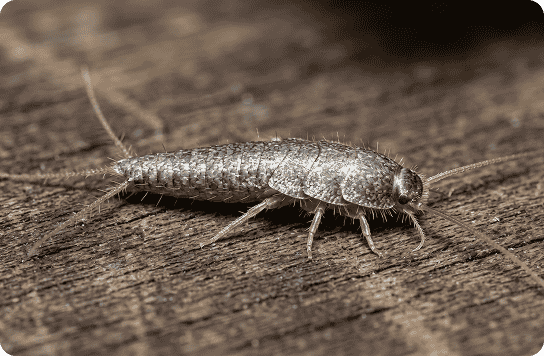
Pay attention to cracks and gaps around pantry shelves, wall edges, and utility penetrations. Seal openings where practical, and keep the area neat so insects do not have places to hide. Good trash management also matters: empty bins often, clean recycling containers, and never leave food scraps or spilled dry goods near the pantry. These habits support strong kitchen hygiene and reduce the risk of recurrence.
If you want a pantry that keeps pest-resistant, treat the kitchen as a system: inspect, sanitize, store properly, rotate food, and act promptly to signs of contamination. That approach is much more effective than reacting only after pests have already multiplied.
Mosquito Man Scarborough1225 Kennedy Rd, Scarborough, ON M1P 4Y1, Canada
+1 647-243-7241
https://maps.app.goo.gl/8SuLx1MkkqVJFc2m9 https://mosquitoman.ca/pest-control/scarborough/
43.7561897, -79.2751574
Common questions about stopping pantry pests from spreading
How do pantry pests get into sealed food packages?
Kitchen pests can get into airtight packaging if the package was opened before you purchased it, if a seal was poor, or if pests were already present when the food was packaged. Small gaps, torn seams, and compromised boxes are enough for eggs or larvae to enter. Once inside, the infestation can continue without being noticed until you open the item.
Can I keep food after finding Stored-product pests in my kitchen?
Occasionally, but only if the item shows no signs of infestation and the packaging is truly sealed. Any item with maggots, silk strands, droppings, or visible bugs should be tossed away. When in doubt, it is safer to dispose of the item than risk spreading contamination to other stored foods.
How long before pantry pests spread to other cupboards?
It can happen rapidly, especially if food is stored in unsealed boxes or if several packages sit close together. Pantry pests travel by moving from one package to another, placing eggs, and contaminating nearby food. Prompt cleanup and inspection are the most effective way to stop the spread before it gets to other cupboards.
What’s the most effective method clean shelves once a pantry pest infestation has occurred?
The most effective method is to take away all food, clean every shelf and corner, and then do a full shelf cleaning with soap and water or an appropriate cleaner. Finish with thorough sanitization and let the area dry completely before restocking. Be sure to clean baseboards, shelf joints, and nearby cracks where debris may collect.
When should I call pest control in Scarborough for pantry pests?
Reach out to pest control Scarborough if the infestation returns repeatedly, if you find pests in more than one cupboard, or if you cannot identify the source after tidying up. A professional service is also a wise option when you want a professional inspection, a more focused treatment plan, or a pesticide-free solution for a kitchen environment. This is especially helpful in condos, townhomes, and multi-unit buildings where pests may be spreading through shared spaces.