What Environmentally Friendly Pest Management Methods Work in Toronto?

What does environmentally friendly pest control work in Toronto?
Environmentally friendly pest control Toronto property owners can rely on typically relies on integrated pest management, or IPM. Instead of using broad chemical applications, IPM emphasizes prevention, monitoring, and targeted treatment depending on the pest, the property, and the level of activity. In Toronto, ON, that approach makes practical sense because many homes and buildings face different pest pressures depending on age, construction, and season.
For example, older detached homes and semis in Toronto often have small cracks, aging utility penetrations, and damp basements that create easy entry points and harborage. Low-rise apartments and multi-unit buildings can have shared walls, shared utility spaces, and nesting areas that allow pests to move between units. Eco-friendly service is designed to address those conditions with non-toxic pest control measures where possible, plus reduced-risk products only when needed.
This is important in urban Ontario because homeowners are often looking for solutions that are family-safe, pet-safe, and still effective against resistant pests. A truly green pest control plan does not mean “do nothing.” It means choosing the least disruptive method that solves the problem while reducing exposure, protecting indoor air quality, and improving long-term results. In many cases, the most environmentally friendly choice is the one that solves the underlying cause rather than repeatedly spraying the same spots.
In practical terms, eco-friendly pest management in Toronto usually includes inspection, sealing gaps, cleaning up attractants, and using low-toxicity methods like trapping, heat, steam, or baits in controlled locations. The goal is a sustainable solution that is more chemical-free where possible, but still decisive when pests are active.
Which green pest control methods are the most effective?
The best-performing eco-friendly solutions in Toronto usually come from pairing a few tactics rather than relying on one product. That is the essence of IPM: identify the pest, locate the source, cut down on access, and then use the smallest effective intervention.
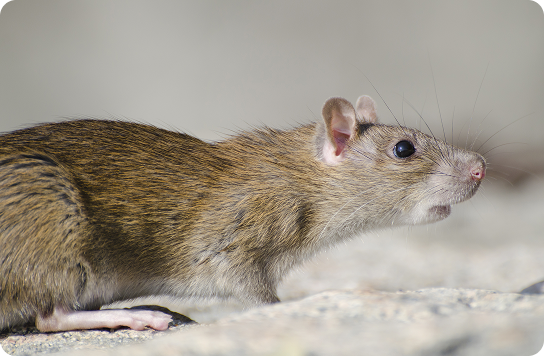
Mechanical traps
Mechanical traps are one of the most effective low-impact solutions for mice, some crawling insects, and monitoring. For rodent issues, snap traps or enclosed trap devices can work better than trying random sprays. Traps are especially useful in older Toronto homes where mice are getting in through basement gaps, kitchen voids, or behind appliances. They can be placed in entry points and movement routes, then checked routinely as part of a structured plan.
For insects, glue boards can help with monitoring in basements, laundry rooms, and utility areas. That monitoring helps determine whether the issue is sporadic or broad before more measures are used. Traps are not a whole solution on their own, but they are a strong fit for non-toxic pest control.
Exclusion
Exclusion is often the most crucial eco-friendly step. It means blocking pests from getting in by repairing screens, sealing cracks, tightening door sweeps, and closing utility openings. If you want lasting results, you need to seal entry points where mice, ants, and even cockroaches can travel.
In Toronto, exclusion is particularly important because weather changes can push pests indoors. Humid summers can increase insect activity, while cold winters drive rodents into walls, attics, and basements. For homeowners in semis, older detached houses, and multi-unit buildings, exclusion reduces repeat infestations and lowers the need for repeated treatments.
Sanitation
Sanitation is another core method. Pests are drawn to food residue, clutter, moisture, and hidden access to nesting material. Cleaning behind appliances, storing food properly, reducing grease buildup, and removing cardboard can make a major difference. In damp Toronto basements, dehumidification can also reduce moisture that supports cockroaches, silverfish, and other pests.
Hygiene is not just about “keeping things tidy.” It is a proactive strategy that eliminates food, water, and shelter. For many homes, especially homes with continued pest pressure, sanitation works hand in hand with cleaning, repairs, and ongoing monitoring.
Biological control
Biological control employs natural predators, parasites, or microbes to manage certain pest populations. In residential Toronto settings, it is more common in exterior or landscape situations than in indoor infestations, but it still belongs in the eco-friendly conversation. For example, some garden pests and soil-dwelling insects can sometimes be managed with beneficial organisms rather than broad insecticide use.
For homeowners, the key point is that biological control is part of a broader sustainable strategy, especially when the infestation is tied to outdoor conditions or repeated seasonal pressure. It is usually best paired with exclusion and sanitation rather than treated as a stand-alone fix.
Are thermal treatments a eco-friendly option for Toronto homes?
Indeed, in many cases bed bug heat treatment Toronto solutions are considered one of the greener solutions for major infestations. Thermal treatment uses high heat to kill bed bugs in all life stages without relying primarily on residual chemicals. That makes it appealing to homeowners who want a more chemical-free or low-residue approach.
Thermal energy is especially useful in Toronto apartments, condos, and multi-unit buildings where bed bugs may be hiding in mattresses, bed frames, furniture, baseboards, and wall voids. Because bed bugs are very good at hiding in harborage areas, a properly executed heat remediation process can reach places that sprays may miss. It is also beneficial in homes where residents want to minimize disruption to kids, seniors, or pets.
Still, heat is not always the cheapest choice. The heat treatment for bed bugs cost can be higher than more basic treatments because it requires specialized equipment, preparation, and careful temperature control. The overall cost of bed bug treatment depends on the size of the unit, infestation severity, furniture volume, and whether multiple rooms or units are involved.
In Toronto, heat can be a practical choice when you need rapid results and want to avoid repeated residual sprays. It is often paired with vacuuming, laundering, crack sealing, and follow-up monitoring. Some providers may also recommend steam treatment for targeted areas, especially around seams, baseboards, and upholstered furniture. As with any method, the best results come from an inspection-first strategy, not from heat alone.
For bed bugs, a green solution is usually the one that combines inspection, prep, heat remediation, and follow-up monitoring instead of relying on one-time chemical applications.
How environmentally friendly approaches compare by pest category?
Environmentally friendly pest control operates differently depending on the pest. In Toronto, your best option depends on whether you are dealing with rodents, cockroaches, bed bugs, or ants, as well as the building https://jsbin.com/miriroxeri type and level of infestation.
Controlling mice
For control of mice, green methods typically begin with blocking access, hygiene, and traps. Mice are swift to take advantage of entry points around foundation gaps, utility lines, and garage doors. In older Toronto homes and low-rise buildings, those openings are common. The most effective approach is to close off entry points, remove nesting material, reduce food access, and use trap devices in travel corridors.
A frequent misstep is turning to diy fumigation for mice. This is usually not the best solution for a homeowner, and it can be unsafe if the source of the problem is related to the structure. Fumigation is not the standard residential approach for mice in Toronto. In most cases, inspection and checking and exclusion work better, especially when rodents are coming from inside walls, basements, or shared building spaces.
Cockroach control
Roach control in Toronto typically calls for a blend of cleaning, moisture reduction, strategic baiting, and blocking access. Cockroaches thrive where there is food residue, warm secluded areas, and access to moisture. That is why kitchens, bathrooms, and laundry rooms are typical infestation zones in apartments and multi-unit buildings.
Eco-friendly roach control typically does not rely on heavy residual sprays and in place of that uses bait stations, ongoing inspection, and limited treatment. Reducing harborage and sealing water leaks can matter as much as product choice. When summers are humid, cockroach activity can pick up, while winter indoor environments in heated buildings can help them persist year-round.
Bed bugs
Bed bugs are one of the toughest pests to manage with gentle methods alone because they hide in narrow cracks and spread easily between sleeping areas and furniture. Green options include heat, steam, vacuuming, mattress encasements, and careful inspection. For numerous Toronto households, these methods are paired with reduced-risk treatments rather than broad spraying.
In multi-unit buildings, careful coordination is important because bed bugs can travel across units, hallways, and shared laundry spaces. This is why a good local provider will focus on inspection, resident preparation, and follow-up monitoring rather than relying solely on a single product application.
Ants
Ants are often the easiest pest to manage with eco-friendly methods if the colony source can be found. Effective treatment usually includes sanitation, exclusion, and targeted baits placed where ants are active. Spraying visible trails without addressing the nest often offers only short-term relief.
Mosquito Man Toronto224 King St W #2401, Toronto, ON M5J 0A6, Canada
+16472437241
https://maps.app.goo.gl/VbxNrosScd6ZL8U39
https://mosquitoman.ca/pest-control/toronto/
JJX7+23 Toronto, Ontario, Canada
In Toronto homes, ants may enter during warm months through cracks in foundations, windows, or patios. Because ant problems can be seasonal and localized, the most environmentally friendly option is often a combination of cleaning, sealing, and precision baiting rather than widespread treatment.
What do Toronto homeowners ask before booking pest control?
If you are searching for pest control near me or the best pest control near me, ask questions that reveal whether the company actually uses eco-friendly methods or just labels its service as “green.” In Toronto, homeowners should receive a clear explanation of inspection, pest identification, and the treatment plan.
Ask whether the provider follows integrated pest management and how they decide when to use traps, baits, exclusion, or low-toxicity products. Ask what they will do to seal entry points and whether they offer repair recommendations. A good company should explain how they reduce risk for children, pets, and sensitive household members.
You should also ask about pest control Toronto cost before booking. Pricing can shift based on the pest, property size, and whether you live in a detached home, semi, or multi-unit building. If the provider is vague about pricing or only talks about quick spraying, that is a sign to keep shopping.

For eco-friendly service, it helps to ask:
- Do you use IPM and inspection-first treatment?
- Which non-toxic pest control options are available for my pest?
- Will you explain monitoring and follow-up?
- How do you handle pets, children, and food areas?
- Do you focus on exclusion and sanitation, not just residual sprays?
These questions are especially important in Toronto, ON, where urban density and shared building structures can make repeat infestations more common. The best providers will be honest about what can be solved with green methods alone and when a targeted treatment is still needed.
How expensive does green pest control cost in Toronto?
The pest control near me prices you find online may differ a lot, because eco-friendly services are priced by pest type, infestation size, access complexity, and whether follow-up visits are needed. In general, pest control cost Ontario depends on the technique used and the level of labour involved in inspection, prep, and exclusion.
For example, how much is pest control for mice in Toronto often depends on whether the job is basic trapping and sealing, or whether there are multiple entry areas, wall voids, or attic activity. A small mouse problem may be relatively straightforward, but a larger issue in an older detached home or a multi-unit building can take more time and more than one visit.
cockroach exterminator Toronto cost can also vary significantly. A specific bait-and-monitoring approach may cost less than a heavily infested unit requiring multiple follow-ups and sanitation support. If the building has repeated moisture or food-access problems, the long-term expense may rise unless the underlying conditions are corrected.
For bed bugs, cost of bed bug treatment and heat treatment for bed bugs cost can be higher than basic insect control because heat remediation requires preparation and specialized equipment. Still, some homeowners see it as a good investment because it can reduce the need for repeated chemical applications and may give faster results.
When comparing costs, it helps to think in terms of total value, not just the first visit. A more thorough IPM program may cost more upfront but reduce repeat treatments later. That is especially relevant in Toronto, where pests can return through adjacent units, shared walls, or unresolved structural gaps.
It can also help to compare the local market. Service pricing in Toronto may differ from pest control Mississauga, pest control Brampton prices, pest control Hamilton prices, or pest control Kitchener. In some cases, availability and timing can shift by city. Homeowners looking for pest control London Ontario may see different service patterns again, while residents searching pest control Fredericton NB might compare a different set of providers, including adams pest control Fredericton and adams pest control Moncton. In western Canada, pest control Edmonton prices can reflect different pest pressures and treatment norms than Ontario.
For Toronto and the GTA, the best price is typically not the smallest quote. It is the one that includes a full inspection, practical entry-point advice, and a solution plan that fits the pest and property type.
When should you call a Toronto pest control professional?
You should contact a specialist for pest control Toronto when the infestation is spreading, recurring, or difficult to identify. If you are seeing droppings, live rats, roach activity at night, multiple ant trails, or bed bugs in more than one room, a professional inspection is the best next step.
A trained company can conduct an IPM inspection and assess whether the issue is caused by moisture, food access, structural gaps, or hidden nesting areas. That is especially important in Toronto’s older housing stock, where pests can move through wall cavities, basements, and shared utility spaces. Humid summers can worsen insect pressure, and winter indoor infestations can make rodents and cockroaches more noticeable inside heated homes.
DIY can help with cleanup and simple monitoring, but it is not always enough. diy fumigation for mice is not a reliable or effective substitute for professional rodent control in most homes. If mice are entering through more than one entry points, you need a plan that includes exclusion, inspection, and ongoing monitoring rather than temporary products.
Professional help is also a better choice when you want a truly pet-safe pest control and green pest control plan. A skilled technician can choose low-risk products, place traps and baits carefully, and focus on the source of the problem. For urban homes in Toronto, ON, that reduced-risk approach is often the most practical long-term answer.
In short, call a professional when the issue is more serious than a minor nuisance, when pests keep coming back, or when you want an eco-friendly solution that balances safety, effectiveness, and long-term prevention.
FAQs about green pest control in Toronto
What’s the most truly green extermination approach in Toronto?
The greenest method is usually integrated pest management, or IPM, because it combines inspection, exclusion, sanitation, monitoring, and targeted treatment. In Toronto, that often means sealing entry points, using mechanical traps where appropriate, and avoiding broad residual sprays unless they are truly needed. For many homes, the greenest solution is the one that fixes the source of the pest issue instead of repeatedly treating symptoms.
Is bed bug heat treatment in Toronto regarded as eco-friendly?
Absolutely, bed bug heat treatment Toronto is often considered eco-friendly because it reduces the need for chemical use and can kill bed bugs in all life stages. It is especially useful in apartments and multi-unit buildings. That said, it still needs proper preparation, follow-up monitoring, and sometimes steam treatment or targeted low-toxicity products to get the best result.
What does eco-friendly pest control cost in Toronto?
Costs change by pest, property type, and infestation size. pest control near me prices in Toronto may be lower for simple mouse control or ant issues and higher for cockroach or bed bug infestations. The pest control cost Ontario range changes based on whether the job requires exclusion work, repeated visits, or heat remediation. If you are comparing how much is pest control for mice or cockroach exterminator Toronto cost, get an inspection-based quote rather than a generic estimate.
Should I use DIY fumigation for mice instead of calling a professional?
Most often, no. diy fumigation for mice is not the typical or safest solution for a homeowner, and it often does not solve the underlying entry problem. Mice are usually controlled more effectively with exclusion, sanitation, and mechanical traps. If the infestation is persistent, a professional can identify where rodents are getting in and stop the cycle.
Are eco-friendly pest management solutions okay for pets and kids?
They can be, especially when the treatment plan is based on non-toxic pest control, blocking access, cleaning, and well-placed traps or baits. Numerous pet-safe pest control and child-safe choices are available in Toronto, but safety depends on how the treatment is performed. Make sure to ask the provider what materials are used, where they will be placed, and what protective measures are needed before and after treatment.